Platelet-Rich Plasma (PRP) therapy is a popular non-surgical solution for hair thinning and pattern baldness. But to make the most of this regenerative treatment, pre- and post-treatment care is just as crucial as the procedure itself. Whether you’re getting ready for your first PRP session or want to optimise your recovery, following these care instructions can help improve outcomes and minimise discomfort.
Understanding PRP Hair Treatment
As part of PRP therapy, a small sample of your blood is drawn, treated to concentrate the platelets, and then injected into your scalp. These platelets promote growth, thicken, and activate hair follicles. The effectiveness of PRP depends on how well you prepare and take care of your scalp both before and after treatment.
For optimal pre- and post-treatment care, choosing the best hair salon in Ahmedabad can make a significant difference, ensuring your scalp is perfectly prepared for the best results.
What Does PRP Research Tell Us?
PRP therapy for hair loss continues to grow in clinical credibility. Here’s what the latest evidence shows:
- Higher platelet concentration = better results. Studies from 2024–2025 confirm that PRP prepared with a double-spin centrifuge technique yields significantly higher platelet counts, leading to improved hair density outcomes.
- Combination therapy is more effective. Research published in leading dermatology journals now recommends combining PRP with microneedling or low-level laser therapy (LLLT) for superior results, particularly for androgenetic alopecia (pattern baldness).
- 3–4 sessions remain the clinical standard. Clinical consensus in 2026 continues to support 3–4 initial sessions spaced 4–6 weeks apart, followed by maintenance sessions every 6–12 months.
- PRP works best on active follicles. The treatment is most effective in early-to-mid stages of hair loss, where follicles are still present but weakened, making early intervention a key factor in outcomes.
- Safe for all skin tones. Multiple dermatology studies confirm PRP carries no risk of hyperpigmentation, making it particularly suitable for South Asian skin types common in India.
At Blooming Wellness, our PRP protocols are updated in line with current clinical research to ensure you receive the most effective and safe treatment available in Ahmedabad.
Pre-PRP Hair Treatment Instructions
What to Do Before Your PRP Session
| Step | Why It Matters |
| Avoid Blood Thinners | Stop aspirin, ibuprofen, and supplements like Vitamin E or fish oil 3–5 days prior. |
| Hydrate Well | Drink 2–3 litres of water the day before and the morning of your session. |
| Clean Hair & Scalp | Wash your hair with a mild shampoo on the day of the treatment. |
| Skip Styling Products | Avoid gels, sprays, or oils before treatment. |
| Eat a Light Meal | Prevent dizziness by eating something before your session. |
Tip: Always inform your practitioner about any medication or health conditions during consultation.
Things to Avoid Before Your PRP Session
- Alcohol and smoking for at least 48 hours
- High-intensity workouts on the day of the procedure
- Hair colouring or chemical treatments 3–7 days before
Post-PRP Hair Treatment Instructions
After your PRP treatment, the goal is to support healing and stimulate hair regrowth without irritation or infection. Here’s what to follow:
Immediate Aftercare (First 24–48 Hours)
- Avoid touching your scalp – Do not scratch, press, or massage the treated area.
- Do not wash your hair – Give the scalp time to absorb the PRP by not washing your hair for at least 24 hours.
- No swimming or heavy workouts – Excess sweating can introduce bacteria.
- Avoid smoking and drinking since they affect platelet function and repair.
- Avoid hats or helmets – Reduce pressure on the scalp for at least 12 hours.
After 48 Hours
- You can use a light shampoo that is devoid of sulphates to wash your hair.
- Resume regular physical activity, but avoid direct sunlight on the scalp.
- Use a cool water rinse; avoid hot showers for 2–3 days post-treatment.
- Avoid dyeing, straightening, or perming hair for at least 7–10 days.
Best Practices for Long-Term PRP Results
- Follow the Full Treatment Plan – Typically, 3–4 sessions spaced 4–6 weeks apart.
- Maintain a healthy diet rich in iron, zinc, and biotin.
- Stay consistent with hair care products recommended by your provider.
- Reduce Stress: Prolonged tension might lead to hair loss once more.
What You Might Experience
| Common Side Effects | What You Can Do |
| Mild tenderness or swelling | Use a cold compress (not ice directly) for short intervals. |
| Redness at injection sites | This is temporary; avoid harsh shampoos or hair products for a few days. |
| Slight bruising | Will fade within 2–3 days; no treatment is usually needed. |
If you notice persistent pain, infection, or unusual hair shedding, consult your provider immediately.
Before & After PRP Hair Treatment – What to Realistically Expect
One of the most common questions clients ask is, “What will my results actually look like?” Here’s an honest, timeline-based breakdown of what most patients experience at Blooming Wellness:
Session-by-Session PRP Hair Results Timeline
| Stage | What Typically Happens |
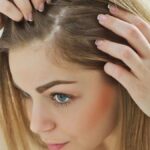
| Before Treatment | Visible hair thinning, widening parting, reduced hair density, or receding hairline. The scalp may be more visible through hair. |
| After Session 1 | Minimal visible change – this is normal. The growth phase (anagen) takes time to activate. The scalp may feel slightly sensitive. |
| After Sessions 2–3 | Most clients begin noticing reduced hair fall. Hair feels slightly thicker at the roots. Early new growth may be visible. |
| After Session 4 | Noticeable improvement in hair density. New fine hair (vellus hair) becomes more visible. Overall coverage improves. |
| 3–6 Months Post-Course | Peak results for most patients, a fuller appearance, a stronger hair shaft, and improved scalp health. Reduced daily shedding. |
| Maintenance Phase | 1 session every 6–12 months to sustain results and prevent regression. |
Honest Expectations: What PRP Can and Cannot Do
PRP works best for:
- Early-to-mid stage androgenetic alopecia (male/female pattern baldness)
- Diffuse hair thinning across the scalp
- Post-partum hair loss
- Alopecia areata (in combination with other treatments)
- Strengthening hair before or after a hair transplant
PRP may not be sufficient for:
- Advanced baldness where follicles are completely inactive (hair transplant may be more suitable)
- Scarring alopecia, where follicle damage is irreversible
Results vary by individual based on age, hair loss stage, health status, and adherence to aftercare. A consultation with our team will give you a realistic expectation tailored to your specific condition.
Natural Support Between Sessions
To boost your PRP results, incorporate these natural tips into your routine:
- Scalp massages with rosemary or castor oil (after the first week)
- Maintain hydration (2–3 litres/day)
- Reduce processed foods and increase protein intake
- Use a silk pillowcase to minimise hair breakage
PRP works best when it is tailored to your needs. For a deeper understanding of how personalised care can maximise hair restoration, read our guide on Tailored PRP Therapy for Thicker, Healthier Hair.
This covers everything from hair type analysis to combining PRP with mesotherapy or microneedling for long-term scalp health and density.
Conclusion
Getting PRP for hair loss is a promising, science-backed approach, but it’s not a one-day miracle. Appropriate pre- and post-treatment care is essential for the best outcomes. Be patient with the procedure and be dedicated to your treatment regimen. With the right aftercare and follow-up sessions, you’ll be well on your way to thicker, stronger, and healthier hair.
If you’re ready to take the first step, book a PRP hair treatment at Blooming Wellness today and let our experts create a personalised plan for you.
FAQ
How Many PRP Sessions Are Needed for Hair Growth?
Most patients require an initial course of 3–6 PRP sessions spaced several weeks apart, followed by maintenance treatments as recommended by their practitioner. The exact number depends on the severity of hair loss and individual treatment response.
When Can You Wash Your Hair After PRP Treatment?
It is generally recommended to wait at least 24 hours before washing your hair after a PRP session. Using a gentle shampoo and following your clinician’s aftercare instructions can help support optimal results.
PRP vs Hair Transplant: Which Is Better for Hair Loss?
PRP is a non-surgical treatment designed to stimulate existing hair follicles and is often suitable for early-stage hair thinning. Hair transplantation is a surgical procedure typically recommended for more advanced hair loss. The most appropriate option depends on your hair loss pattern, treatment goals, and clinical assessment.